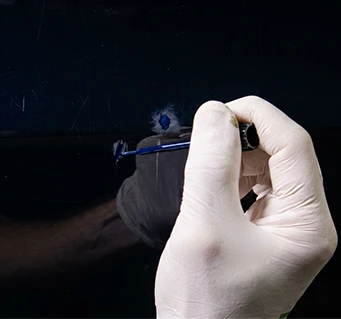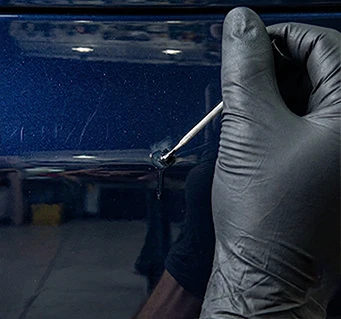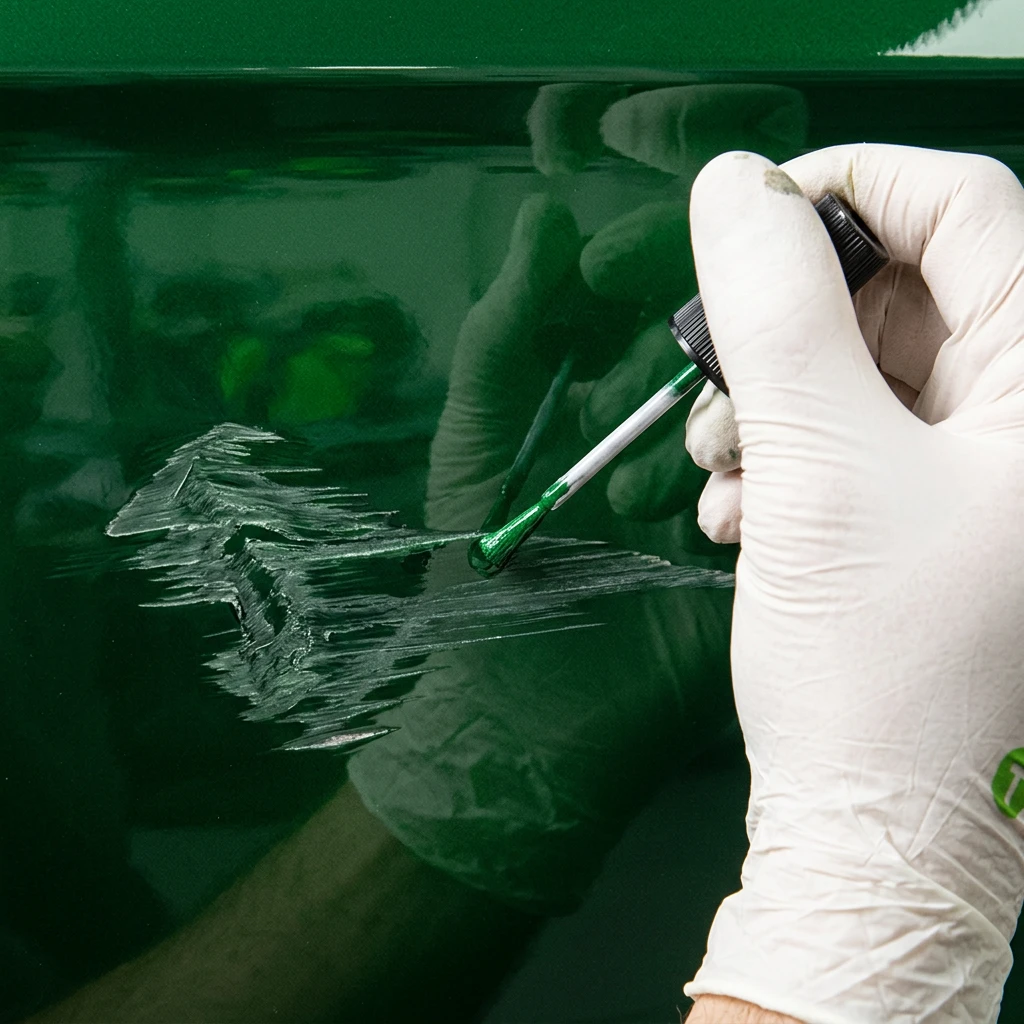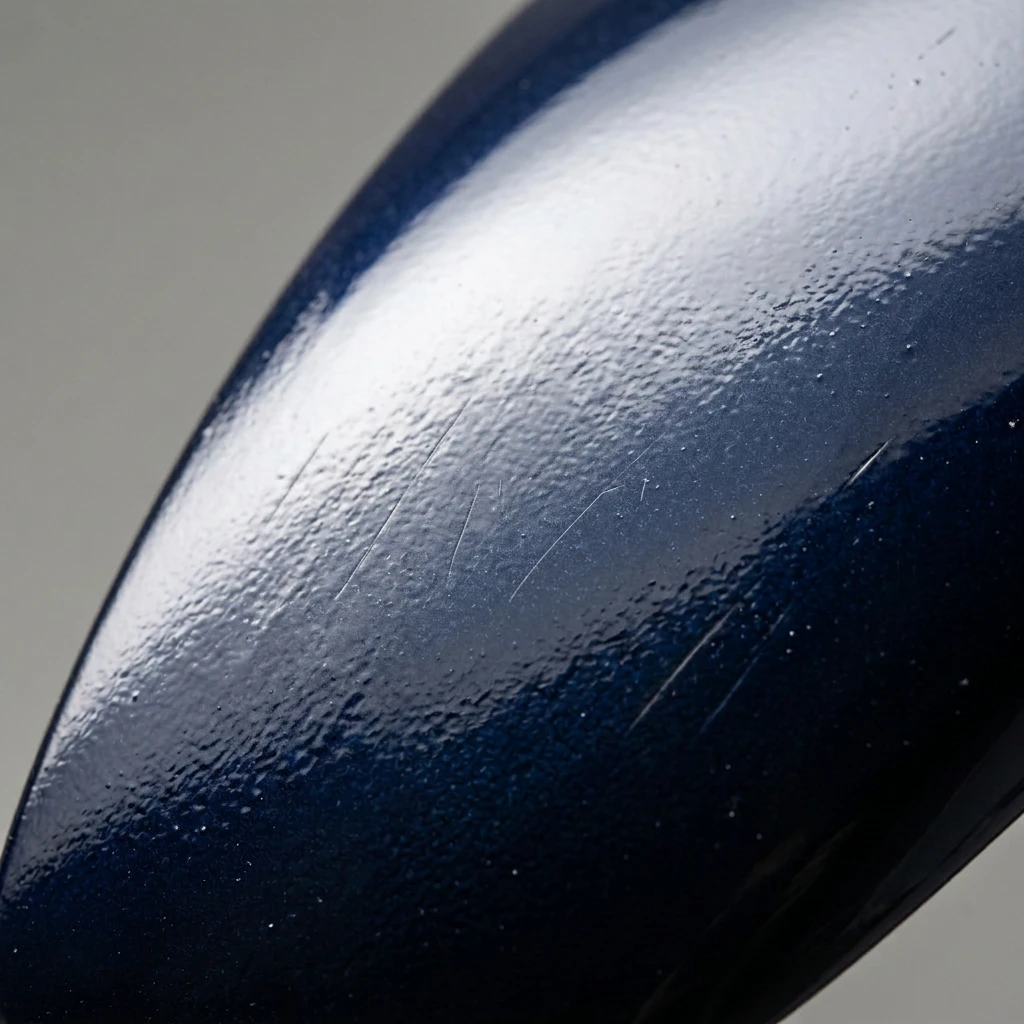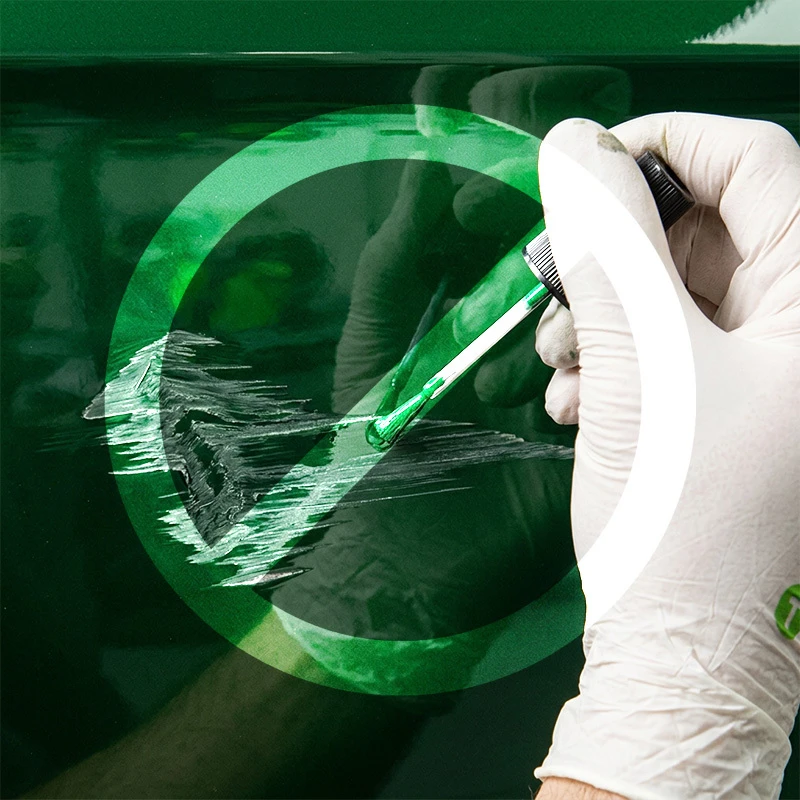
Applying Primer Too Thick
Problem: Paint takes forever to dry, creates runs or drips, uneven finish
Solution: Multiple thin coats are always better than one thick coat—wipe excess paint on bottle rim



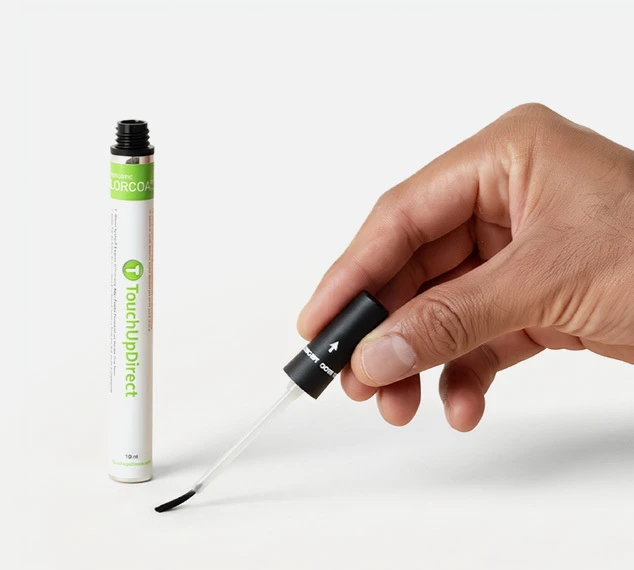
TouchUpDirect offers three touch up brush kit levels depending on your repair needs. Every kit includes both colorcoat and clearcoat brushes—you get two complete applicators in each kit.
Best for: Basic scratch repairs on vehicles in good condition
Best for: Chips that expose bare metal or plastic - primer prevents rust and ensures proper adhesion.
Includes everything in Essential Kit, plus:
Best for: Complete professional-grade repairs with finishing
Includes everything in Preferred Kit, plus:
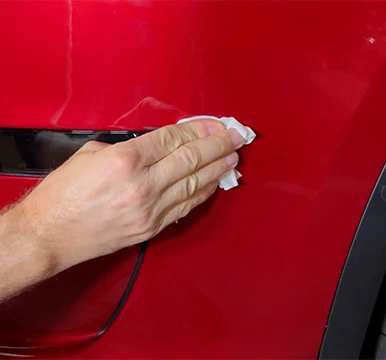
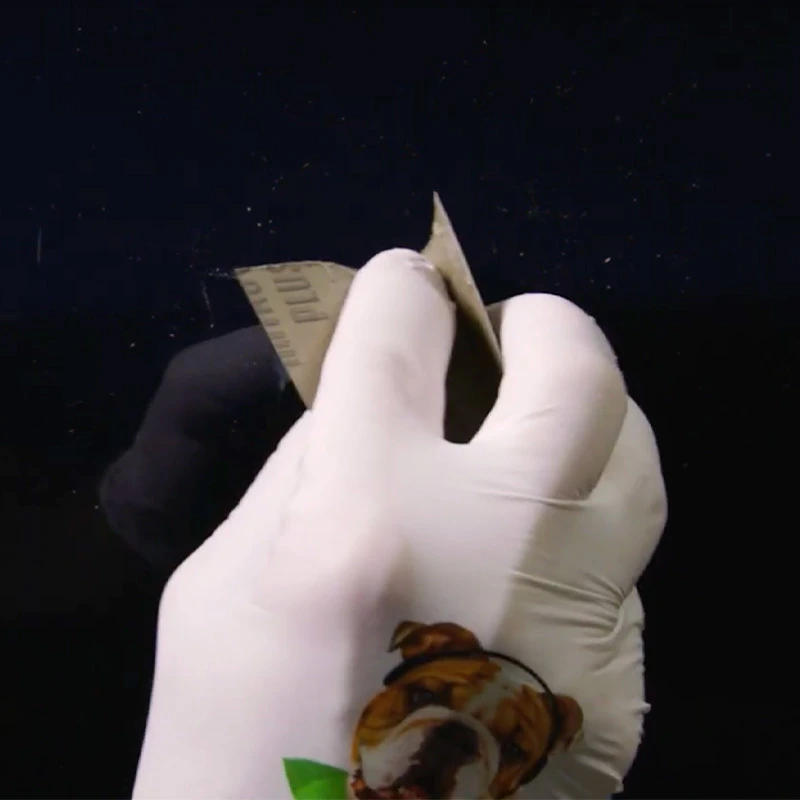
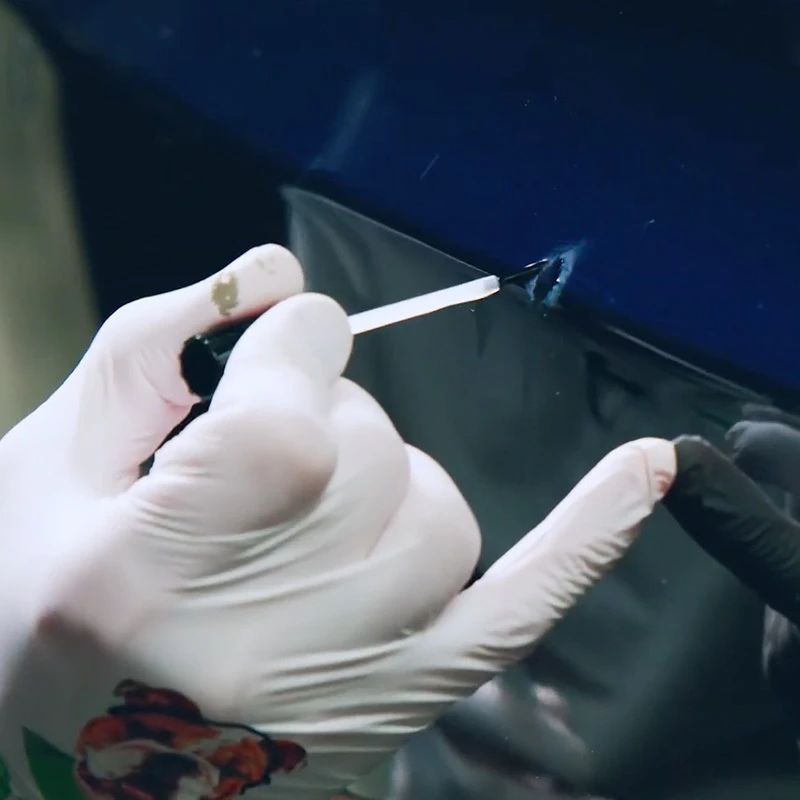
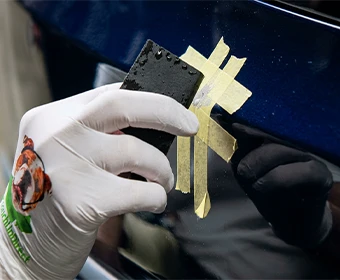
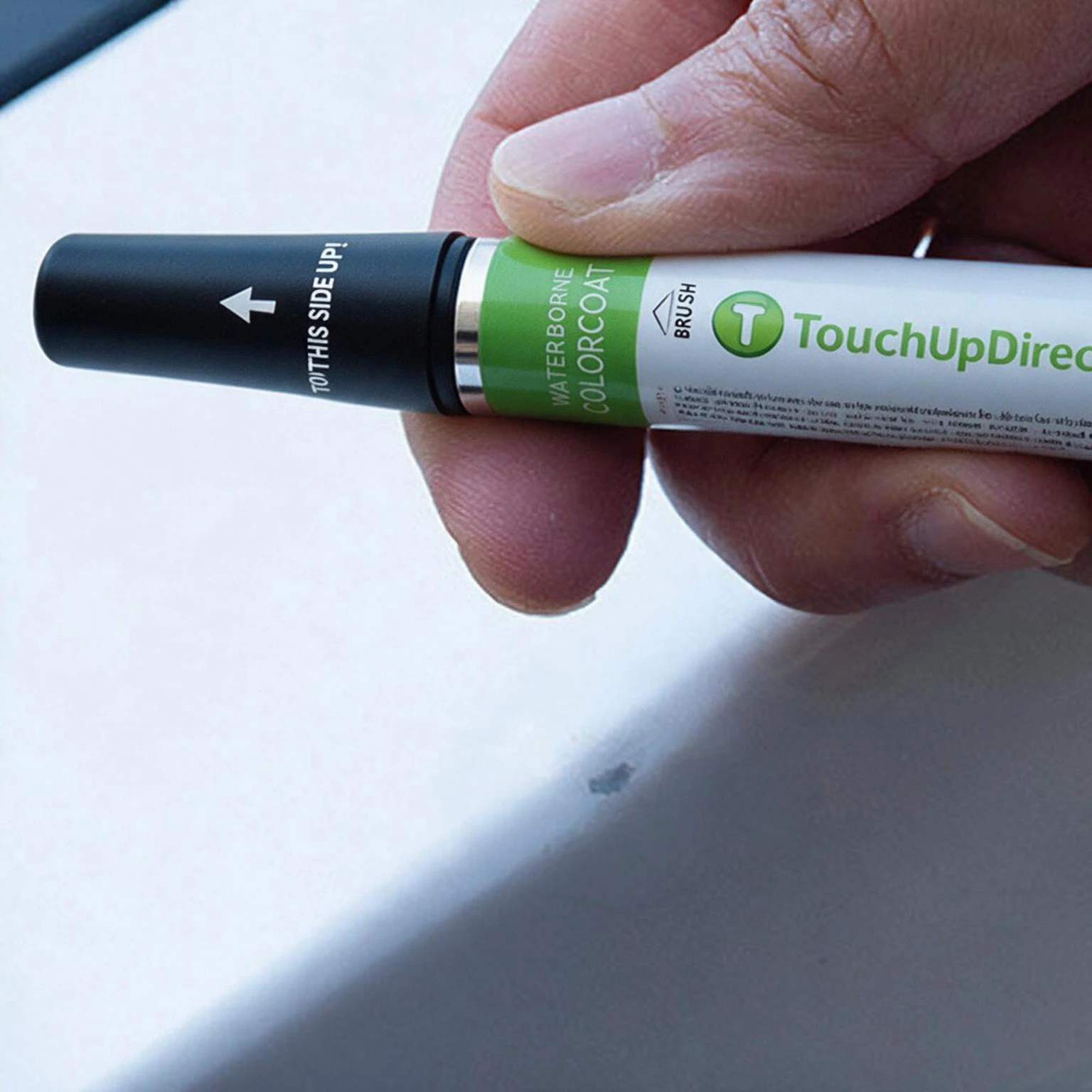
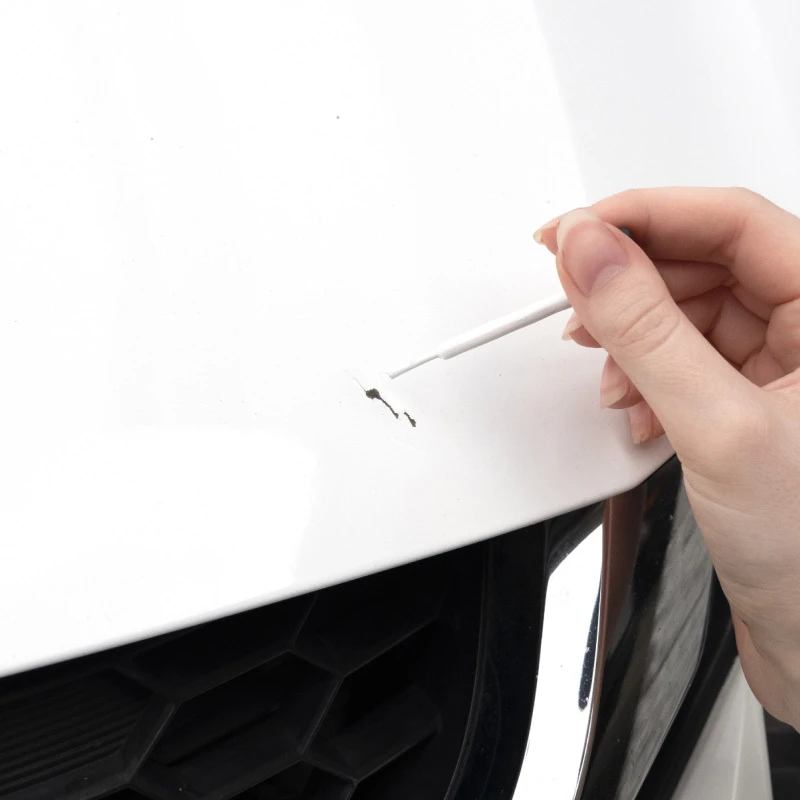
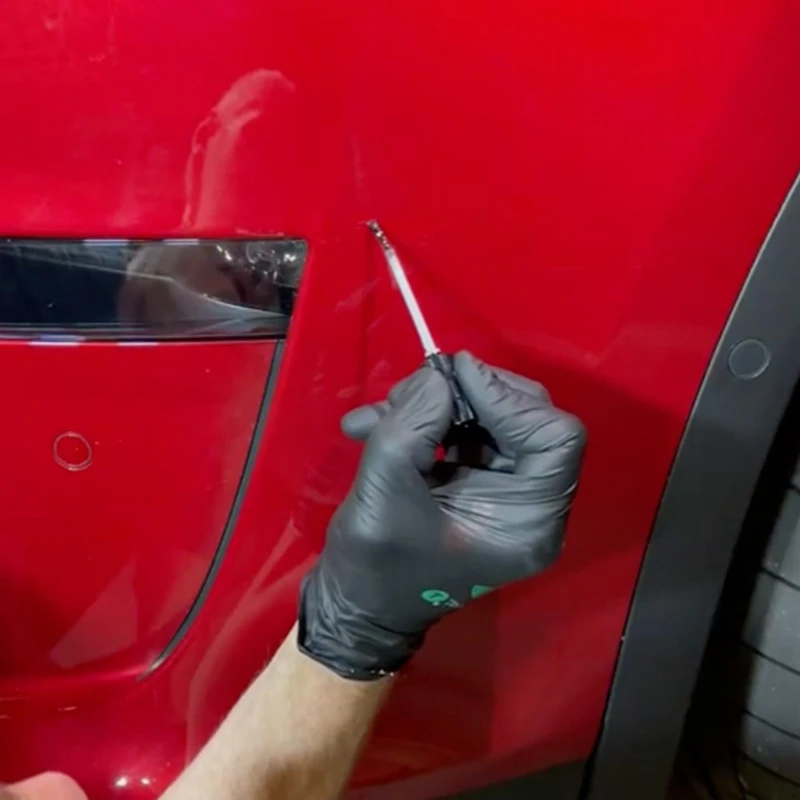
Problem: Paint takes forever to dry, creates runs or drips, uneven finish
Solution: Multiple thin coats are always better than one thick coat—wipe excess paint on bottle rim
Problem: Color appears lighter or different from your vehicle
Solution: Shake vigorously for 1-2 minutes before first use and 20-30 seconds between coats.
Problem: Repair is visible, paint buildup on surrounding areas
Solution: Stay within scratch boundaries—use painter's tape to mask if needed
Problem: Repair appears flat, dull, and doesn't match surrounding gloss
Solution: Clearcoat is mandatory—colorcoat alone will not match factory finish
Problem: Brush strokes visible, uneven coverage, difficulty blending
Solution: Use aerosol spray for areas larger than 2 inches for seamless finish
Problem: Paint won't adhere properly, peels, or rusts underneath
Solution: Sand scratches with raised edges smooth before applying primer/paint
| Feature | Touch Up Brush | Touch Up Pen |
|---|---|---|
| Best For | Scratches smaller than a quarter | Chips and nicks under ¼ inch |
| Application Style | Brushing/painting motion | Dabbing motion |
| Precision | Moderate (controlled strokes) | Maximum (pinpoint) |
| Coverage Area | Multiple scratches up to quarter-size | 20-30 small chips |
| Ideal Damage Type | Linear scratches, scuffs, small areas | Rock chips, door dings, gravel damage |
| Skill Level | Beginner-friendly | Beginner-friendly |
| Application Time | 30-60 minutes | 30-60 minutes |
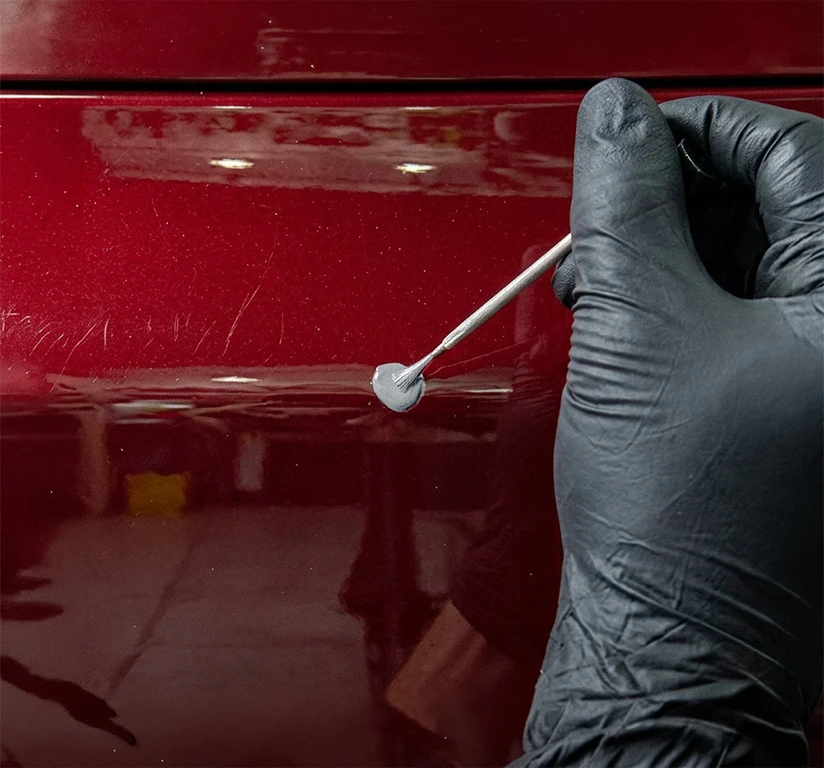
Touch up brushes work best for scratches smaller than a quarter (approximately 1 inch or 25mm). This includes door edge scratches, key marks, small scuffs, and linear damage. For larger areas, use aerosol spray instead.
You need primer if the scratch exposes bare metal or plastic. If you only see colorcoat damage (the scratch hasn't gone through to raw substrate), you don't need primer. When in doubt, choose the Preferred or Platinum kit—both include primer.
Yes, but a touch up pen provides better precision for small chips. Brushes work best for linear scratches and slightly larger areas. For maximum versatility, choose the Combo (2-in-1 Brush + Pen) kit.
One complete kit (colorcoat brush + clearcoat brush) covers multiple scratches up to quarter-size each. Actual coverage depends on scratch depth and length, and how many coats you apply.
Yes, absolutely. Shake the bottle vigorously for 1-2 minutes before each use, 20-30 seconds between coats.
Yes. Touch up brushes work on both metal and plastic surfaces. For plastic bumpers, apply primer first (included in Preferred and Platinum kits) if the scratch exposes bare plastic substrate.
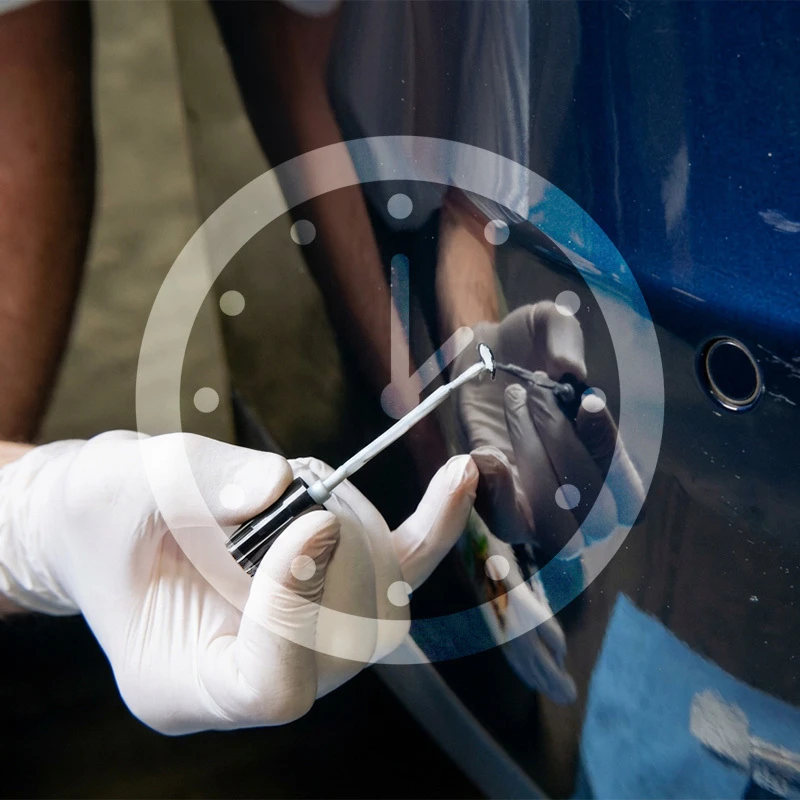
Touch up brush paint dries to the touch in 15-20 minutes between coats. Wait 30-60 minutes after your final colorcoat layer before applying clearcoat. Allow 48 hours for complete cure before washing or waxing.
Sanding is optional but recommended for scratches with raised edges or rough surfaces. Use 400-grit sandpaper to smooth the area before applying primer/paint. For wet sanding primer on larger scratches, use 800-grit sandpaper.
Essential includes colorcoat brush, clearcoat brush, and prep solution—perfect for basic scratch repairs. Preferred adds primer brush for bare metal/plastic exposure. Platinum includes everything plus sandpaper and polishing compound for professional-grade finishing.
Touch up brushes match your vehicle's original factory color, not faded paint. If your car's paint has faded significantly from sun exposure, the fresh touch up may appear slightly brighter or more vibrant than surrounding aged paint.
Apply touch up brush paint in temperatures between 60-80°F for best results. Below 50°F, paint won't flow properly or adhere correctly. Above 90°F, paint may dry too quickly. If you must apply in cold weather, work in a heated garage.
Store bottles upright in a cool, dry place away from direct sunlight. Cap tightly immediately after use to prevent paint from drying. We guarantee that a product will last for 6 months, but if stored properly, most will last for multiple years.
Yes. If your vehicle has a tricoat paint system, you'll receive two colorcoat bottles—one basecoat and one midcoat. Apply basecoat first (2-3 coats), let dry, then apply midcoat (2-3 coats), and finish with clearcoat. Both bottles will have brushes.
Free Shipping
Amazing Customer Support
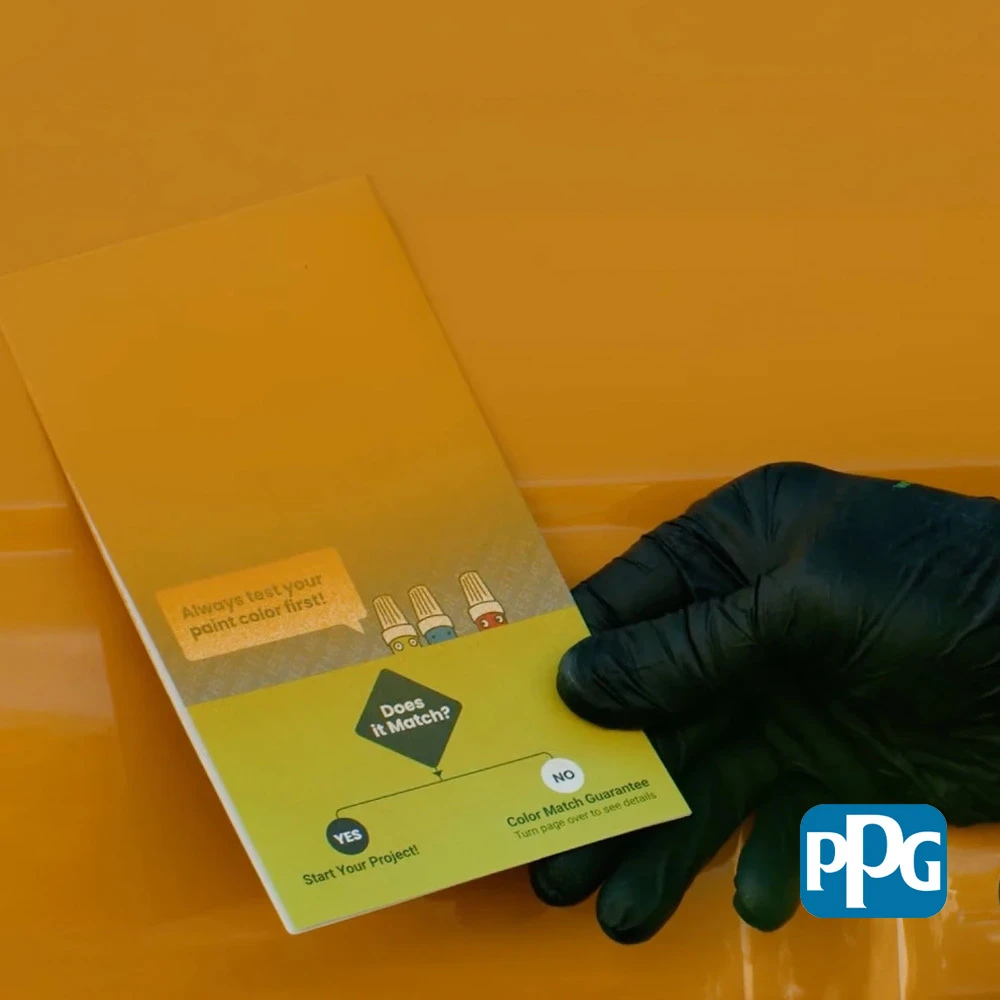
Color Match Guarantee